
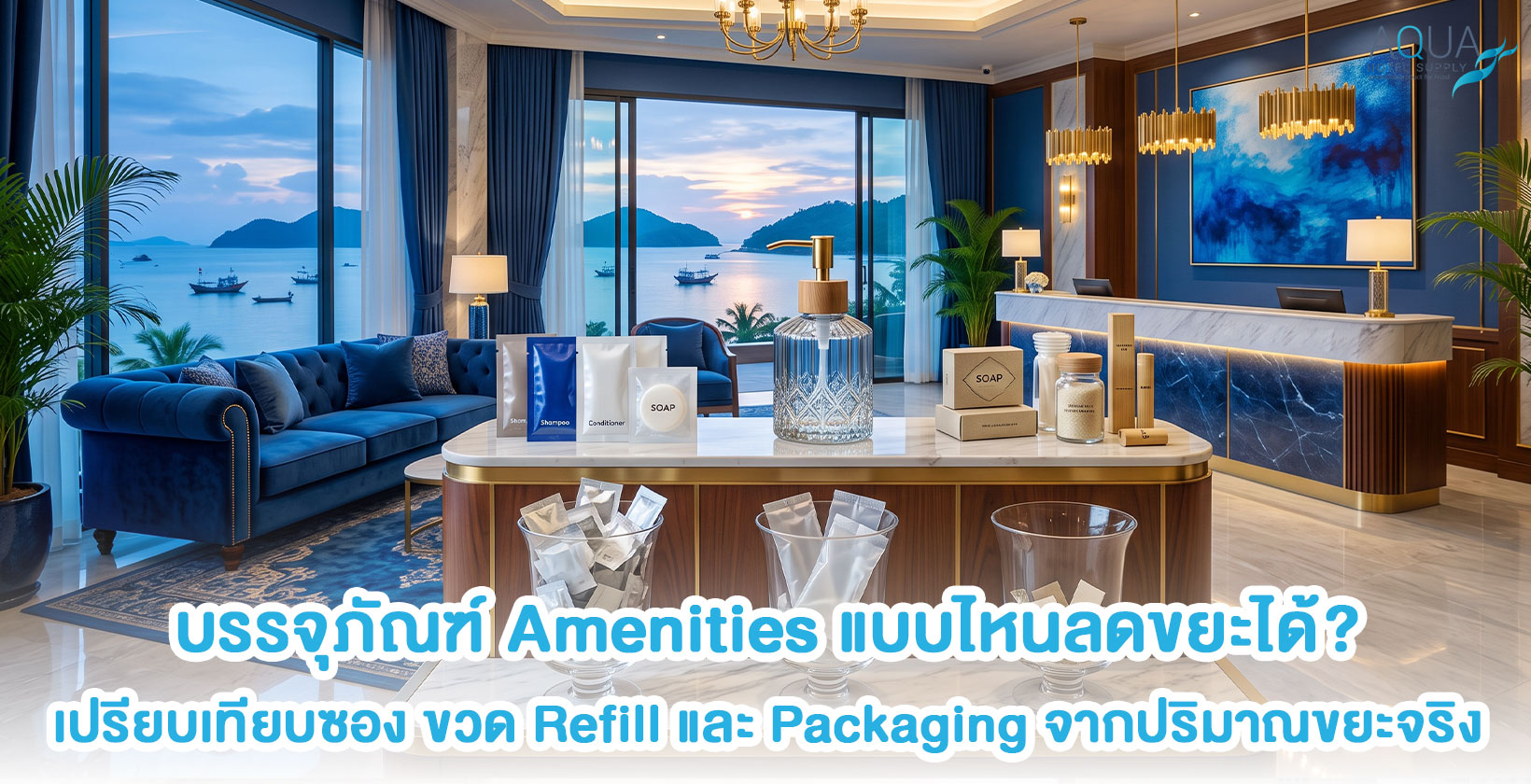
บรรจุภัณฑ์ Amenities แบบไหนลดขยะได้ ไม่มี Packaging Type เดียวที่ดีที่สุดสำหรับ Amenity ทุกชนิด เพราะ “ลดจำนวน Packaging”, “ลดน้ำหนัก Packaging”, “ลด Plastic”, “เพิ่ม Recyclability” และ “ลด Waste จริง” เป็นคนละเรื่องกัน Package ที่เบากว่าอาจใช้ Material น้อยลงในมิติน้ำหนัก แต่ยังไม่เพียงพอที่จะสรุป Environmental Impact โดยรวม ขณะที่ Package ที่ระบุว่า Recyclable ก็ไม่ได้หมายความว่าจะถูก Recycle จริงในระบบขยะของโรงแรม
จุดเริ่มต้นจึงไม่ใช่การเลือก Paper แทน Plastic แต่ต้องถามก่อนว่า Packaging มีหน้าที่อะไรกับสินค้านั้น เช่น Product Protection, Hygiene, Product Identification, Storage, Presentation หรือ Transport Protection จากนั้นจึงไล่ดู Primary Packaging, Individual Packaging, Inner Packaging, Secondary Packaging และ Shipping / Transit Packaging ทั้งหมด เพราะ Waste บางส่วนเกิดตั้งแต่ Receiving หรือ Store ก่อน Amenity จะถูกนำเข้า Guestroom ด้วยซ้ำ หลักที่ควรใช้คือ Minimum Packaging Required for Function
อีกประเด็นสำคัญคือ Less Packaging ≠ Less Waste เสมอ หากลด Layer แล้ว Dental Kit เปื้อนง่าย Paper Sachet เสียรูปในสภาพชื้น หรือ Product Damage ระหว่างขนส่งเพิ่มขึ้น Waste อาจย้ายจาก Packaging ไปเป็น Product Waste แทน บทความนี้จึงเปรียบเทียบ Packaging ในฐานะ “ระบบ” ตั้งแต่ Plastic Wrapper, Paper-based Sachet, Paper Box, Minimal Packaging, Bulk / Refill ไปจนถึง On Request และใช้ข้อมูลจริงก่อน–หลังเป็นตัวตัดสิน
บรรจุภัณฑ์ Amenities แบบไหนลดขยะได้?
ไม่มีรูปแบบเดียวที่ดีที่สุดสำหรับทุก Amenity ควรเริ่มจาก Function ของสินค้า แล้วเปรียบ จำนวน Packaging Layers, Verified Weight, Product Protection, Actual Usage, Refill / On Request Potential และ Waste Route โดย Minimal Packaging อาจช่วยลด Layer ได้ตรงที่สุดในบางกรณี แต่ต้องพิสูจน์ว่ายังปกป้องสินค้าได้ ส่วน Paper Sachet, Refill หรือ Recyclable Packaging ต้องตรวจ Structure และปลายทางจริงก่อนสรุปว่าลดขยะ
บรรจุภัณฑ์ Amenities แบบไหนลดขยะได้? ต้องดูมากกว่าคำว่า Paper หรือ Eco
Packaging ของ Amenities ต้องถูกมองเป็นหลาย Layer ไม่ใช่เฉพาะซองที่แขกเห็น Dental Kit อาจมี Primary / Individual Package แล้วถูกบรรจุรวมใน Inner Pack และ Master Carton อีกชั้น ขณะที่ Soap, Razor, Sewing Kit หรือ Slippers ก็มี Packaging Structure ตามสินค้าจริงต่างกัน การ Audit จึงควรเริ่มตั้งแต่ Supplier ส่งของเข้า Receiving โดยแยก Primary, Individual, Inner, Secondary และ Transit Packaging ก่อนคำนวณว่าระบบใดสร้าง Waste เท่าไร
ชื่อ Material เพียงอย่างเดียวไม่สามารถบอก Waste Outcome ได้ Plastic Wrapper ต้องตรวจชนิด Material, Weight, Layer และ Waste Route ส่วน Paper Sachet ต้องดูว่าเป็น Paper ล้วน, Coated Paper, Laminated Paper หรือ Multi-layer Packaging ถ้ามี Plastic Lamination หรือ Seal Layer ก็ไม่ควรเรียก Plastic-free โดยอัตโนมัติ เช่นเดียวกับคำว่า Bio, Biodegradable และ Compostable ซึ่งมีความหมายและเงื่อนไขต่างกัน จึงต้องใช้ Product / Packaging Specification และ Claim Evidence ของ Supplier จริง
Recyclability ก็ต้องแยกจาก Actual Recycling Package ที่ทางเทคนิค Recyclable อาจไม่ถูกคัดแยกจริง หรือ Waste Contractor ของโรงแรมอาจไม่รับ Material นั้น โดยเฉพาะ Multi-layer Packaging ที่ Material Separation ทำได้ยาก ดังนั้นการเปรียบ Packaging ควรดู Packaging Waste + End-of-life Infrastructure พร้อมกัน ไม่ควรใช้เพียงสัญลักษณ์ Recycle หรือ Material Name เป็นคำตอบสุดท้าย
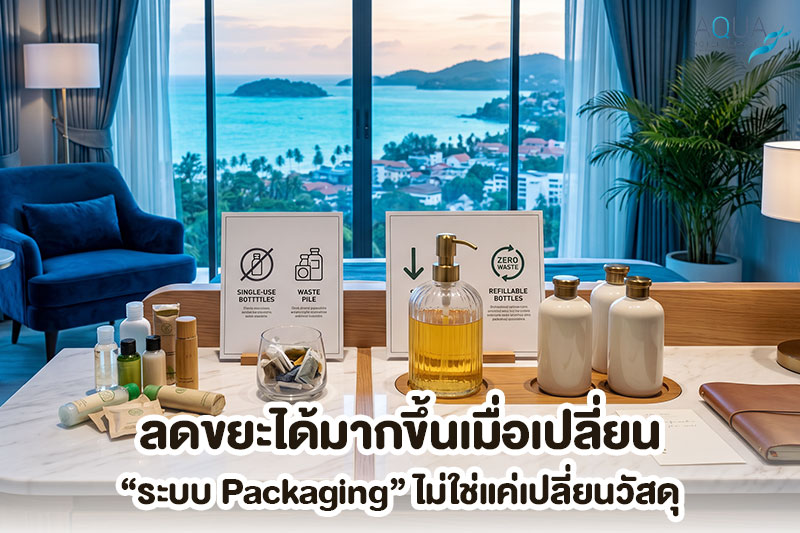
ลดขยะได้มากขึ้นเมื่อเปลี่ยน “ระบบ Packaging” ไม่ใช่แค่เปลี่ยนวัสดุ
วิธีแรกคือ ลดก่อนเปลี่ยนวัสดุ โดยตรวจว่า Layer ใดสามารถ Remove หรือ Reduce ได้โดยที่ Product ยังได้รับ Protection, Identification และสามารถผ่าน Storage / Housekeeping Handling ได้ตามปกติ เช่น Individual Wrapper บางแบบอาจมี Function จำเป็น แต่บางระบบอาจมี Inner Packaging ซ้ำซ้อน สิ่งที่ต้องตัดสินจึงไม่ใช่ “Plastic หรือ Paper” ก่อน แต่เป็น “Layer นี้จำเป็นหรือไม่” แล้วจึงเลือก Material ที่เหมาะกับ Function ที่เหลือ
Bulk / Refill เป็นอีก Packaging System ที่ควรประเมินสำหรับ Shampoo, Shower Gel, Conditioner หรือ Lotion เพราะสามารถลด Individual Pack บางประเภทได้ แต่ระบบใหม่ยังมี Main Dispenser, Pump, Refill Pack, Bulk Container และ Replacement Part จึงไม่ควรเรียกว่า Packaging-free และต้องรวม Packaging ของระบบใหม่ทั้งหมดในการ Comparison ส่วน Reusable Tray, Tissue Holder, Soap Dish หรือ Organizer อาจช่วยลด Disposable Presentation Component บางจุดได้ แต่ต้องเรียกให้ถูกว่าเป็น Reusable Accessory เมื่อ Function จริงไม่ใช่ Packaging
On Request เป็นการเปลี่ยน Distribution System มากกว่าการเปลี่ยน Material หาก Dental Kit, Comb, Razor, Vanity Kit หรือ Shower Cap มี Actual Usage ต่ำและ Room / Service Standard รองรับ โรงแรมอาจศึกษาการลด Standard Placement ได้ ซึ่งอาจลดจำนวน Package ที่ถูกวางแล้วไม่ได้ใช้ แต่ Package ของ Item ที่แขกร้องขอยังคงอยู่ และต้องมี Stock Location, Request / Fulfillment Workflow และ Guest Communication ที่พร้อม จึงไม่ควรถือว่า On Request = Zero Waste
ตารางเปรียบเทียบบรรจุภัณฑ์ Amenities จากขยะที่เกิดจริงและการใช้งานจริง
ตารางนี้เปรียบเทียบ Packaging Strategy ไม่ใช่ Material Ranking จุดประสงค์คือดูว่า Package แต่ละระบบสร้าง Waste ตรงไหน ต้องตรวจ Specification อะไร และ Product Protection ยังทำงานได้หรือไม่
Packaging Weight, Waste Reduction, Plastic Reduction, Recycling Rate, Recycled Content, Material Structure, Compostability, MOQ และราคาที่ไม่มีข้อมูลจริง ให้ระบุว่า “ข้อมูลที่ต้องค้นเพิ่ม”
| รูปแบบ Packaging | ขยะที่อาจเกิด | จุดที่ต้องตรวจจาก Spec | สิ่งที่ต้องทดสอบจริง | จุดแข็งเชิงระบบที่ควรประเมิน | สิ่งที่ห้ามสรุป |
| Plastic Wrapper | Wrapper / Seal | Material / Weight / Layers | Protection / Opening | Material Efficiency / Protection | Plastic ไม่ได้แย่ที่สุดทุกกรณี |
| Paper Sachet | Paper / Coating / Lamination | Structure / Seal | Moisture / Tear / Storage | ลด Plastic Layer ได้หรือไม่ | Paper ≠ Plastic-free |
| Paper Box | Box + Inner Pack | Material / Inner Layer | Protection / Storage | Branding + Protection | Paper Box ไม่ได้ลด Waste หากเพิ่ม Layer |
| Minimal Packaging | Remaining Essential Pack | Required Function | Damage / Handling | ลด Layer โดยตรง | Less Packaging ไม่ได้ดีกว่าถ้า Product เสีย |
| Refill System | Refill Pack / Pump / Container | Main Bottle / Refill Spec | Refill / Compatibility | ลด Individual Pack | Refill ≠ No Packaging |
| On Request | Package ของ Item ที่ถูก Request | Current Usage / Pack | Service Workflow | ลด Unused Placement | On Request ≠ Zero Waste |
หลังจาก Requirement ชัดเจนจึงค่อย Shortlist Amenity / Packaging Product Candidate จาก Supplier เช่น Aqua Hotel Supply ได้ โดยหน้า Bio Collection ปัจจุบันมี Paper Sachet และ Personal-care Amenity หลายรายการจริง แต่ก่อนเปรียบ Waste ต้องตรวจ Packaging Structure, Coating / Lamination, Material, Weight, Custom Option, MOQ และ Physical Sample เป็นราย SKU ไม่ควรใช้ชื่อ Collection เพื่อสรุปว่า Package หนึ่งลดขยะกว่ารุ่นอื่น
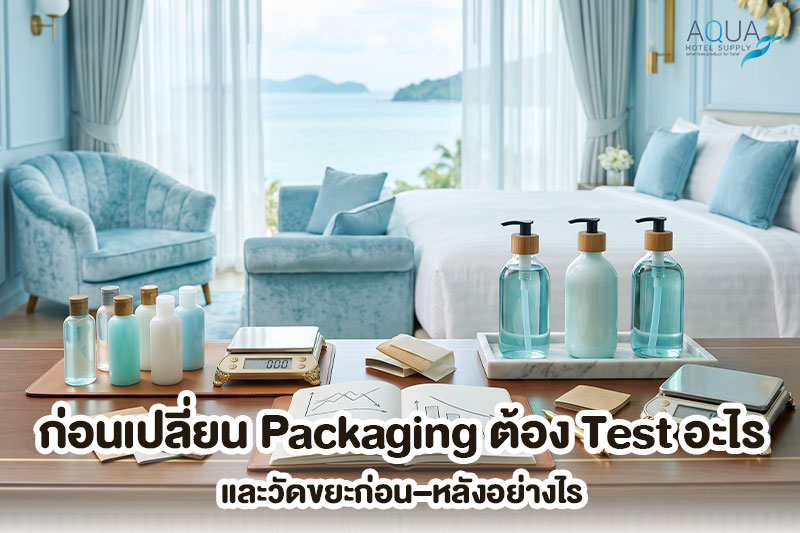
ก่อนเปลี่ยน Packaging ต้อง Test อะไร และวัดขยะก่อน–หลังอย่างไร
Physical Sample ต้องถูกทดสอบกับ Product จริง โดยเฉพาะ Paper-based หรือ Minimal Packaging ควรดู Seal, Tear, Moisture Exposure, Storage,
Transport และ Housekeeping Handling ตาม Risk ของสินค้า เช่น Package ที่วางใน Bathroom อาจเจอสภาพ Humidity หรือ Splash ต่างจาก Amenity
ที่อยู่ใน Wardrobe แต่ก็ไม่ควรสรุปว่า Paper ใช้ใน Bathroom ไม่ได้โดยอัตโนมัติ ต้อง Sample Test ใน Condition ที่ใกล้กับการใช้งานจริงก่อน
การวัดผลควรสร้าง Packaging Baseline จาก Beginning Stock, Purchased, Issued, Ending Stock และ Actual Usage ไม่ควรใช้ Purchased Quantity เป็น
Packaging Waste โดยตรง หากมี Verified Weight สามารถดู Packaging Weight per Occupied Room ได้ แต่ถ้ายังไม่มีสามารถเริ่มจาก Packaging Units per
Occupied Room โดยระบุข้อจำกัดไว้ Before / After ต้องใช้ช่วงเวลาและ Occupied Room Nights ที่เปรียบเทียบกันได้ พร้อมติดตาม Product Damage และ
Unused Amenities เพื่อดูว่าการลด Package ไม่ได้สร้าง Waste รูปแบบใหม่
ในขั้น Procurement ควรขอ Packaging Sample, Product / Packaging Specification, MOQ และ Quotation ล่าสุด รวมถึงตรวจ Shelf Life, Stock Coverage
และ Packaging Continuity หากเป็น Custom Sachet หรือ Box เพราะ MOQ ที่มากกว่า Actual Usage อาจนำไปสู่ Overstock หรือ Obsolete Branded Stock เมื่อ
Artwork เปลี่ยน และหากเปลี่ยน Supplier ต้อง Review Material, Dimension, Seal, Print และ Compatibility ใหม่ ไม่ควรถือว่า Package
หน้าตาใกล้กันสามารถทดแทนกันได้ทันที
ข้อผิดพลาดที่ทำให้ Packaging ดูรักษ์โลก แต่ขยะจริงอาจไม่ได้ลด
ข้อผิดพลาดแรกคือเห็น Paper ด้านนอกแล้วสรุปว่า Plastic-free ทั้งที่มี Lamination หรือ Seal Layer เพิ่มอยู่ หรือเพิ่ม Paper Box ครอบ Individual Wrapper เดิมจน Material ต่อ Unit มากขึ้น รวมถึงเปลี่ยน Material แต่จำนวน Layer เท่าเดิม ใช้ Refill แล้วไม่นับ Refill Pack หรือพยายามทำ Minimal Packaging มากเกินจน Amenity เสียหาย เปื้อน เสียรูป หรือ Product Identification ไม่ชัดเจน หลักที่ควรยึดคือ Function ก่อน Material
อีกกลุ่มคือเรียก Recyclable ว่า Recycled โดยไม่ตรวจ Waste Contractor หรือใช้ Compostable Packaging แต่ไม่มี Composting Route ที่รองรับ End-of-life จริง เช่นเดียวกับคำว่า Bio หรือ Biodegradable ที่ต้องตรวจ Definition และ Claim Evidence ของ Package นั้น ไม่ควรใช้แทนกัน การจัดซื้อที่สนใจเฉพาะ Guest-facing Package แต่ไม่ตรวจ Inner Bag, Shrink Wrap, Carton Liner และ Transit Packaging ก็อาจทำให้โรงแรมมองเห็น Waste เพียงบางส่วนของระบบ
สุดท้ายคือไม่มี Baseline ไม่ชั่ง Packaging Weight ใช้ Purchase Quantity เป็น Waste ไม่ Normalize ด้วย Occupied Room หรือสั่ง Custom Packaging ด้วย MOQ สูงเกิน Usage จนเกิด Overstock / Obsolete Stock รวมถึง Supplier เปลี่ยน Packaging Structure แล้วไม่มี Change Review ก่อน Reorder เกณฑ์ Green Hotel Plus ปัจจุบันเองก็เชื่อม Procurement กับการพิจารณา Packaging ที่ไม่จำเป็นและการติดตามวิเคราะห์ข้อมูล Framework ที่ควรใช้จึงเป็น Function → Reduce Layers → Verify Material → Test → Measure → Improve
Packaging ที่ลดขยะได้จริง ต้องลดสิ่งที่ไม่จำเป็นโดยไม่ลด Function
คำถามจึงไม่ควรหยุดที่ “Paper หรือ Plastic ดีกว่ากัน” แต่ต้องดูว่า Amenity นั้นต้องการ Protection และ Hygiene ระดับไหน ใช้กี่ Layer มี Package อะไรเข้ามาตั้งแต่ Supplier และแขกใช้ Product จริงมากน้อยเพียงใด บางกรณีการตัดหนึ่ง Layer ออกอาจมีความหมายมากกว่าการเปลี่ยน Material ทั้งระบบ
หลังจากเลือก Strategy แล้วต้อง Test ของจริงและวัด Packaging Waste ก่อน–หลัง เพราะ Refill ยังมี Refill Packaging, On Request ยังมี Package ของ Item ที่ถูกขอ และ Recyclable Packaging ยังต้องมีระบบคัดแยกกับผู้รับปลายทางจริง การลด Waste จึงเกิดจาก Packaging Design + Packaging System + Operation ทำงานร่วมกัน
Framework สุดท้ายคือ Amenity Function → Packaging Layers → Remove Unnecessary Layers → Test → Measure Waste → Check End-of-life → Reorder โดยก่อนเผยแพร่หรือสั่งผลิตจริงควรตรวจ Product / Packaging Specification, Material Structure, Coating / Lamination, Packaging Weight, Waste Route, Environmental Evidence, MOQ, ราคาและ Lead Time ล่าสุดอีกครั้ง
FAQ
บรรจุภัณฑ์ Amenities แบบไหนลดขยะได้มากที่สุด?
ไม่มีรูปแบบเดียวที่ดีที่สุด ต้องดูจำนวน Layer, Verified Weight, Product Protection, Actual Usage, Refill / On Request Potential และ Waste Route ร่วมกัน Minimal Packaging อาจลด Layer ได้ตรงในบางระบบ แต่หากทำให้ Product Damage เพิ่มก็อาจไม่ได้ลด Waste รวม
Paper Sachet ลดขยะกว่าซองพลาสติกหรือไม่?
ยังสรุปไม่ได้จากชื่อ Material ต้องตรวจว่า Sachet เป็น Paper ล้วน, Coated, Laminated หรือ Multi-layer รวมถึง Seal, Weight, Product Protection และปลายทางหลังใช้งาน Paper Sachet จึงไม่ควรถูกเรียกว่า Plastic-free โดยอัตโนมัติ
Amenity แบบ Refill ช่วยลด Packaging ได้หรือไม่?
มีโอกาสลด Individual Packaging ในบางระบบ แต่ต้องเปรียบทั้ง Main Dispenser, Pump, Refill Pack, Bulk Container และ Replacement Part พร้อมดู Product Leftover ด้วย หลักสำคัญคือ Refill ≠ No Packaging
เปลี่ยน Amenity เป็น On Request ช่วยลด Packaging Waste หรือไม่?
อาจลดจำนวน Package ที่ถูก Standard Placement แล้วไม่ได้ใช้ในบางโรงแรม แต่ต้องอิง Actual Usage, Guest Request และ Service Standard พร้อมมี Request / Fulfillment Process ที่ใช้งานได้จริง Packaging ของ Item ที่ถูก Request ยังคงต้องถูกนับอยู่
เลือก Packaging Amenities จาก Aqua Hotel Supply อย่างไรให้เหมาะกับเป้าหมายลดขยะ?
เริ่มจาก Amenity Function และ Packaging Reduction Goal ก่อน แล้วจึงสำรวจ Product Candidate ที่ตรง Requirement จากนั้นตรวจ Packaging Type, Material Structure, Coating / Lamination, Physical Sample, Environmental Evidence, MOQ, ราคาและ Lead Time เป็นราย SKU ปัจจุบัน Bio Collection มี Paper Sachet จริง แต่ไม่ควรถือว่า Package ทุกชิ้น Plastic-free หรือ Waste ต่ำกว่าโดยอัตโนมัติ
